Football-specific event capture across kickouts, contests, shooting, assists, discipline, and scoring.
GAA Football Workflow
GAA Football analysis built for kickouts, contests, and modern scoring.
Touchline IQ gives football coaches a matchday system that starts with shape, stays useful through live logging, and finishes with a clearer review of scores, turnovers, assists, and momentum swings.
The page mirrors the live product: 58 seeded football actions, dedicated outfield and goalkeeper skill catalogs, 15-a-side rules, and a scoring model that now distinguishes one-point scores, two-point scores, and goals.
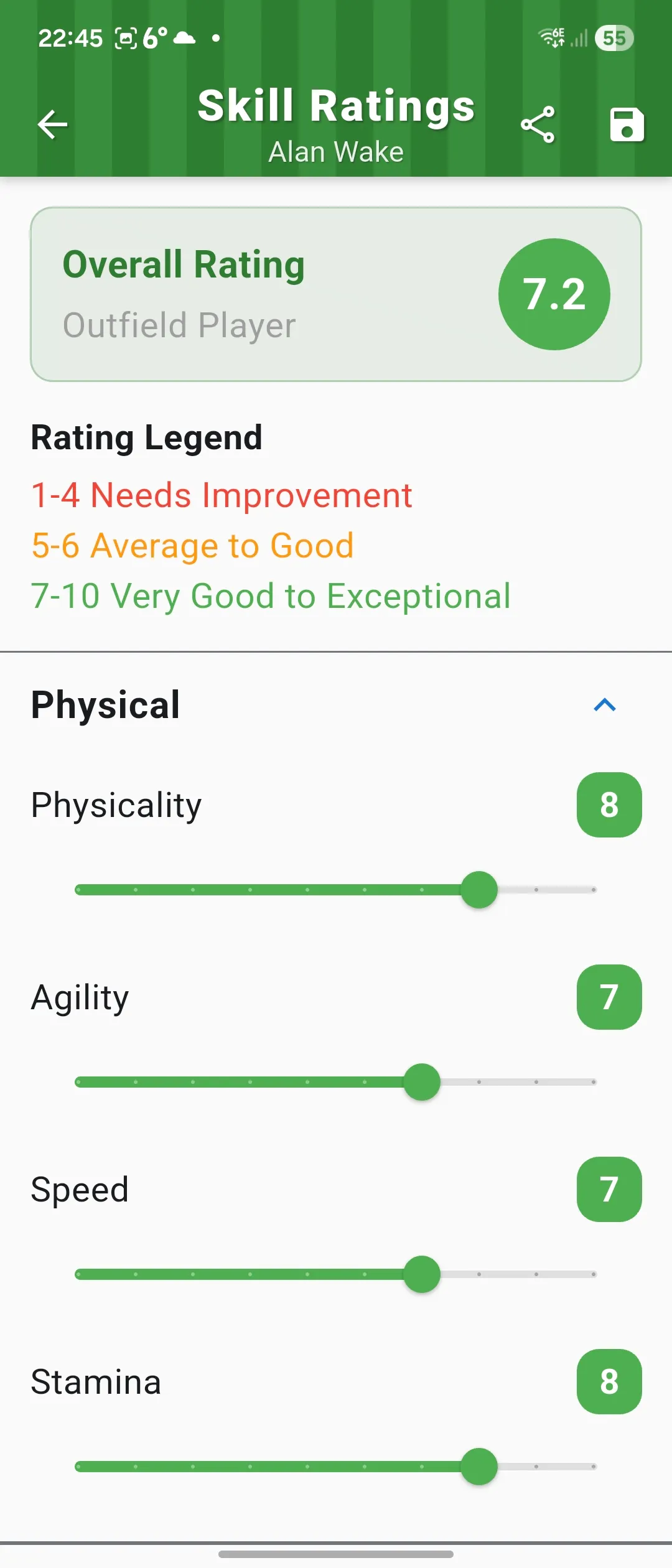
Separate outfield and goalkeeper rating catalogs grouped into the same coaching categories used in-app.
The workflow keeps the modern football scoreline explicit while still surfacing the possessions and chances behind it.
Action Catalog
Track the football moments that decide territory, scores, and restarts.
The football catalog follows the live product vocabulary instead of flattening the game into a few headline stats. Coaches can review kickouts, breaks, wides, two-point attempts, assists, turnovers, and defensive stops in the same language used on the sideline.
The current catalog surfaces 58 seeded actions across the live workflow, which is why the page is organized by real product categories rather than a shorter marketing-only summary.
Kickouts
12 actionsDefensive
3 actionsPossession
4 actionsContests
4 actionsDiscipline
2 actionsPassing
6 actionsScoring
18 actionsAssists
3 actionsShooting
6 actionsSkill Ratings
Group football skill feedback the same way the app already does.
The football rating workflow separates outfield and goalkeeper catalogs, then groups them into categories that make player feedback easier to structure across the season.
These groupings mirror the existing football skill categorizer used in-app: Technical, Attacking, Defensive, Physical, Mental, and Goalkeeping where appropriate.
Outfield players
27 skillsPhysical
Defensive
Technical
Mental
Attacking
Goalkeepers
26 skillsPhysical
Defensive
Technical
Mental
Goalkeeping
Attacking
Scoring System
Keep the football scoreline honest: one pointers, two pointers, and goals.
Touchline IQ reflects the current football scoring model instead of collapsing everything into a single generic total. The review surface keeps scoring events distinct while still tying them back to kickouts, assists, contests, and wides.
- One-point scores, two-point scores, and goals are tracked as different scoring events so the final review matches the real scoreboard logic.
- Kickouts, assists, turnovers, wides, and blocked shots stay visible beside the scoreline so coaches can explain how the game moved, not just what the total became.
- The workflow is built around a 15-player football shape and the restart decisions that set up territory and shot quality.
Match Flow
Move through the same five steps the football sideline already follows.
The football page shows a matchday sequence that starts with setup, moves into live capture, and ends with the kind of post-match review coaches can actually use.
This walkthrough is intentionally sequential: 5 screens that mirror the coaching workflow from setup to post-match output.
Create Match
Start from the football dashboard so the team context, next match, and quick actions are already in view before throw-in.
Set Formation
Lay out the shape on the pitch before the game starts so roles and structure are visible to the staff from the outset.
Start Match
Move from setup into the live match screen with the lineup already in place, ready for football-specific logging.
Log Events
Capture kickouts, turnovers, scoring attempts, contests, and defensive moments with the same labels the football sideline already uses.
Review Trends
Turn the live match into a post-match review view that highlights involvement, attacking impact, and the patterns behind the scoreboard.
Start Coaching GAA Football with Touchline IQ
Bring football setup, live logging, and review into one sideline system.
Use one platform for kickout tracking, live event capture, player development, and post-match analysis instead of splitting the work across paper notes, spreadsheets, and memory.